Video: Jonah Lomu documentary a 'love letter' between mother and son, says Hawke's Bay producer
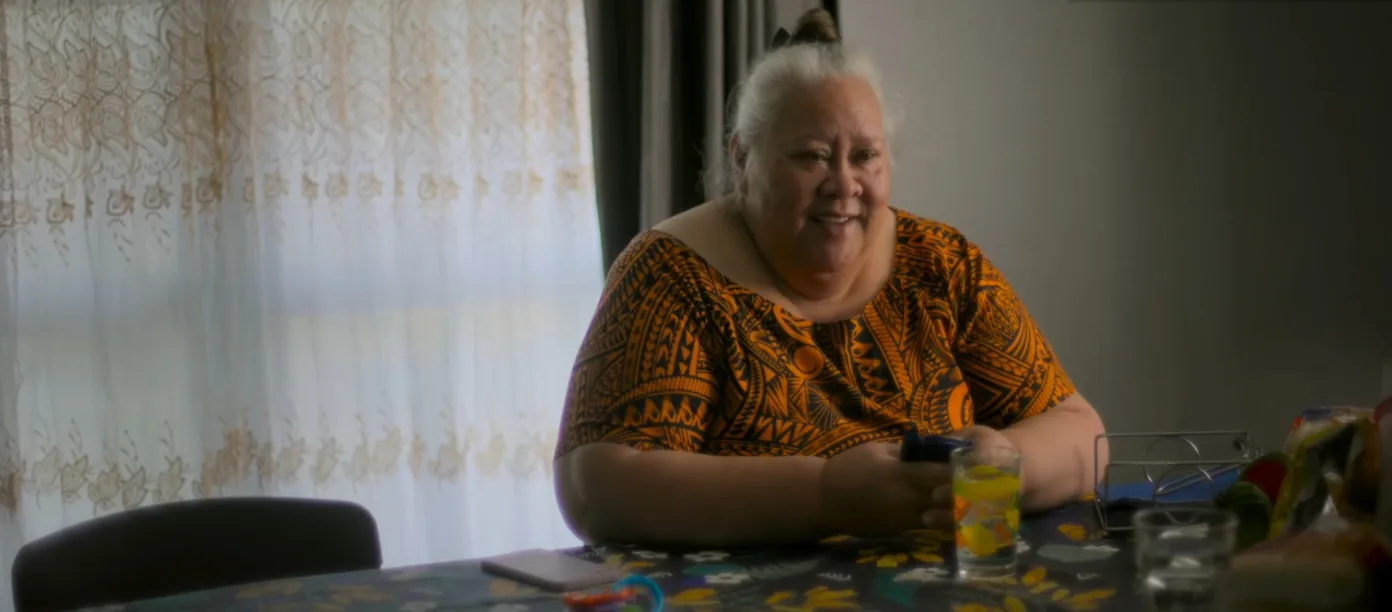
At its heart, the new Jonah Lomu documentary is a “love letter” between the All Black great and his mother Hepi Lomu, says Hawke’s Bay film producer Emma Slade.
Lomu, which opens in New Zealand cinemas on September 3, draws on previously unseen family footage and interviews with those closest to him to tell his story on and off the rugby field.
It traces the former All Black’s journey from his early years in Tonga and upbringing in South Auckland to becoming rugby’s first global superstar, while also exploring the cultural, personal and health struggles he faced.
Slade, who has spent more than 20 years in the screen industry, was one of the film’s New Zealand producers, alongside Victoria Dabbs, through production company Velvet Moss. It was directed by Tongan-New Zealand filmmaker Vea Mafile’o and Irish filmmaker Gavin Fitzgerald.
She said Hepi’s contribution was particularly important because she had not previously had the same opportunity to tell her son’s story from her perspective.
“I think ultimately this film is like a love letter from either a mother to her son or a son to his mother – a bit of both.”
The idea was first brought to Slade and her team by sports documentary producers in the United Kingdom.
“There’s been quite a bit of content made about Jonah over the years, but there’s never been a sort of big flagship feature documentary that’s been made,” Slade said.
She had grown up during the height of Lomu’s career and remembered how much he meant to New Zealand and the rest of the world.
Slade believed the documentary was an opportunity to celebrate Lomu and everything he achieved despite the serious health problems he faced during his career.
“The fact that he achieved what he did is nothing short of remarkable.”
Much of the film’s intimacy comes from home videos recorded by Lomu’s younger brother, John, while the future All Black was still young.
Some of the VHS tapes were old, had been stored in damp conditions or had been partly recorded over, leaving the filmmakers unsure how much could be recovered.
“We managed to pick out all these really intimate moments of Jonah, seeing him at home and as a young man, like when he was still at school,” Slade said.
“It was absolutely like finding gold.”
The surviving material includes footage of Lomu playing rugby before he became internationally famous.
The film also explores his early years in Tonga, his life in South Auckland and the challenges of moving between Tongan and Pālangi worlds.
Slade said the documentary brought together people who had known different parts of Lomu’s life, but “it was very difficult for someone to know the whole Jonah”.
The film took several years to make, with Slade saying early discussions began around 2021. A significant part of the process involved locating, reviewing and securing the rights to archival footage from multiple sources.
One of the most moving parts of the process for Slade was meeting Hepi for the first time in a room surrounded by memorabilia from her son’s career.
Slade said she wept as Hepi spoke.
“She’s a mum, and she loved her son, and I think it must have been so difficult for her to lose him prematurely.”
The documentary was screened for free at Tonga’s Teufaiva Rugby Stadium on July 29 before its wider New Zealand release, with Slade travelling over to safeguard the unreleased film.
She said about 8000 people attended, with Tonga’s Crown Prince among the guests and Tongan musicians performing before and after the screening.
“Tonga had gifted us Jonah, and we wanted to gift Jonah back to Tonga. Gift the film, I should say, back to Tonga.”
Slade said the filmmakers had been anxious to see how the Tongan audience would respond because the documentary did not shy away from difficult parts of Lomu’s story.
“The film is honest, and it’s not sugarcoating anything. It’s being honest about everything, about the humanity, about what it means to be Tongan, what it means to be a New Zealander, how we treat our stars, particularly our sporting stars, and the weight that was on Jonah from a very young age and what support did we give.”
The response left the team feeling confident about sharing the film more widely, she said.
The release was timed to coincide with Father’s Day weekend, following the Tonga screening and the film’s New Zealand premiere in Auckland. A Lomu Film Day was also planned for Māngere on August 29.
Slade said the documentary was made to be experienced in a cinema.
“Jonah was a big guy. You want to see him on a big screen.”